Portugal is one of Europe's oldest nations — its borders have barely changed since the 13th century. Tucked between Spain and the Atlantic, it punches well above its size: explorers who mapped half the known world, a language spoken across four continents, and a coastline that shaped its entire identity.
Portugal's history is long, but here's the shape of it.
Portugal becomes one of Europe's first nation-states, with borders that have barely moved since.
Portuguese sailors chart routes to Africa, India and Brazil, building a vast maritime empire.
A massive earthquake levels Lisbon — the rebuilt downtown grid still stands today.
A near-bloodless military coup ends decades of dictatorship and restores democracy.
Part of the EU since 1986 and the Eurozone since 1999 — stable, safe, and increasingly popular.
A melancholic style of song born in Lisbon's old quarters, often about saudade — a longing that doesn't quite translate.
Hand-painted blue-and-white tiles cover churches, stations and entire building façades across the country.
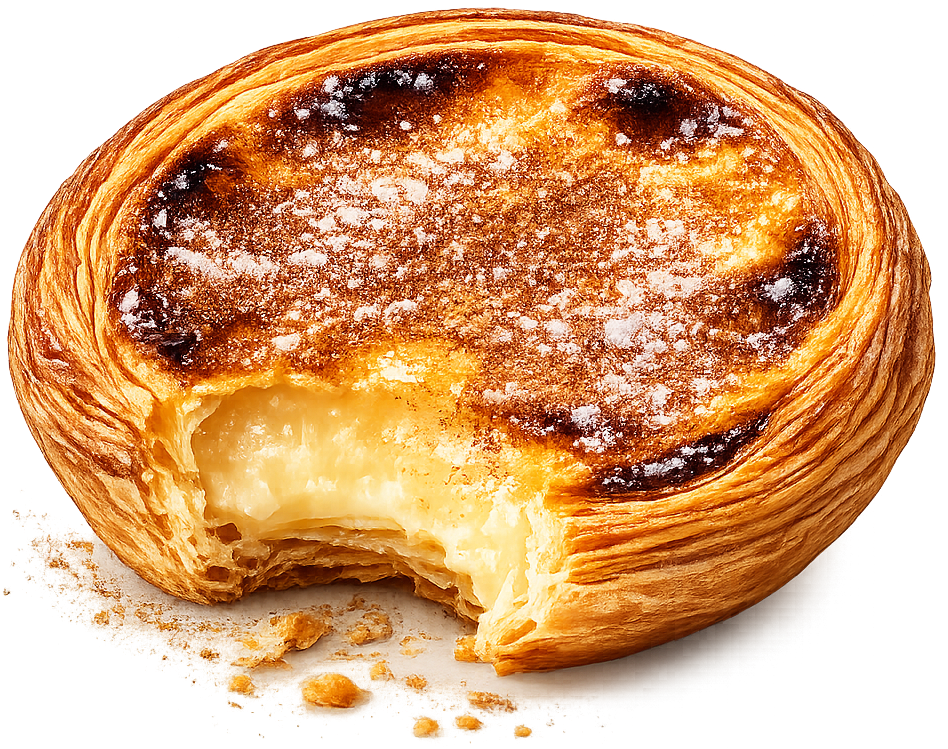
A custard tart with a flaky crust, best eaten warm with a dusting of cinnamon — there's no wrong time of day.
More than a sport — a national obsession, and the reason Portugal has produced some of the world's best players.

Port wine cellars, terraced vineyards, and a riverside old town.

The capital, the coast, and a UNESCO hillside of palaces — all within an hour of each other.

A major pilgrimage site, the world's biggest surfed waves, and a walled medieval town.

Rolling cork-oak landscapes, whitewashed villages, and some of Portugal's best wine.

The south coast — dramatic golden cliffs, sea caves and Portugal's most famous beaches.

Volcanic islands in the Atlantic, known for hiking trails, lagoons and a subtropical climate.
16-21°C. Green landscapes and fewer crowds.
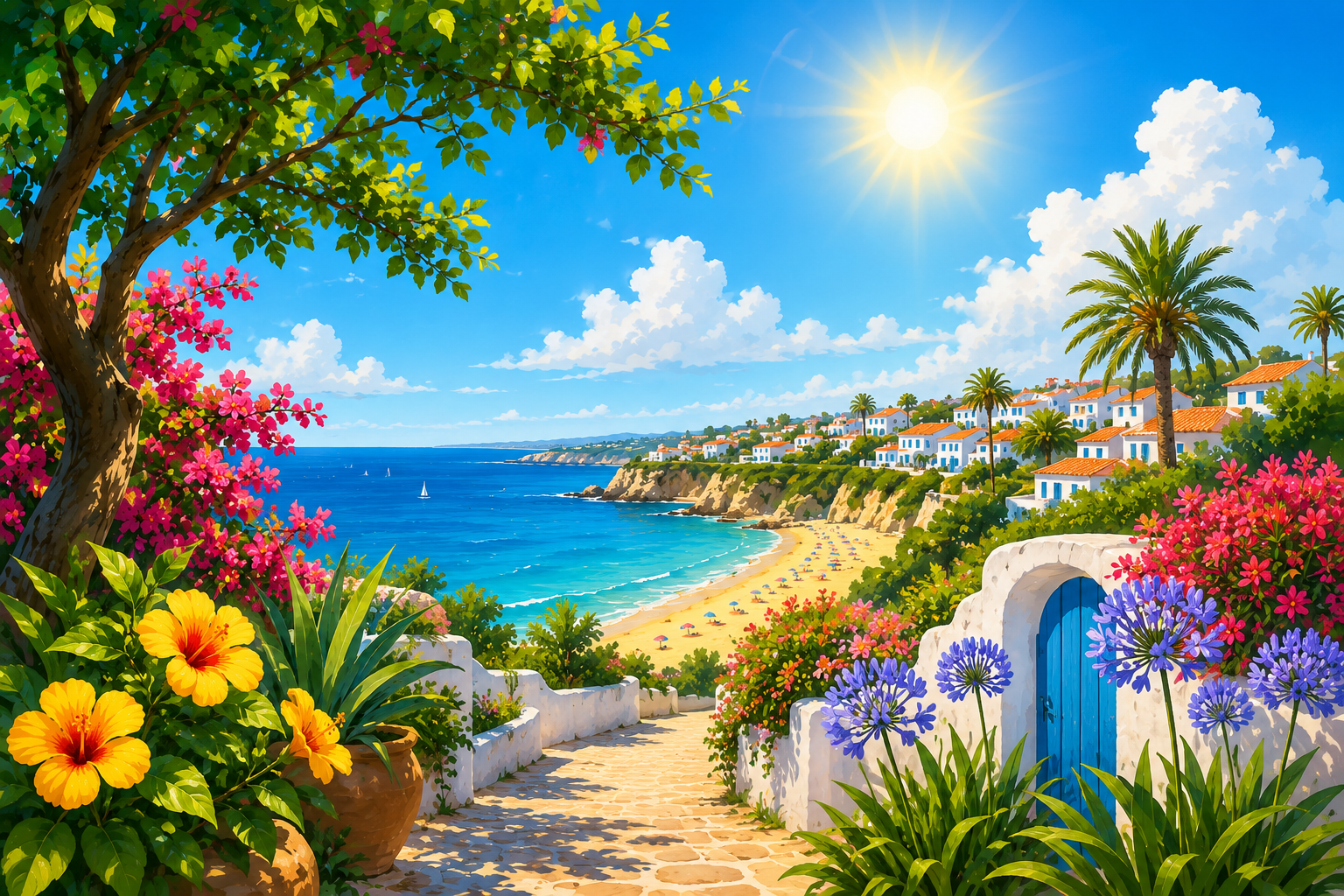
22-28°C. Peak season, long sunny days.
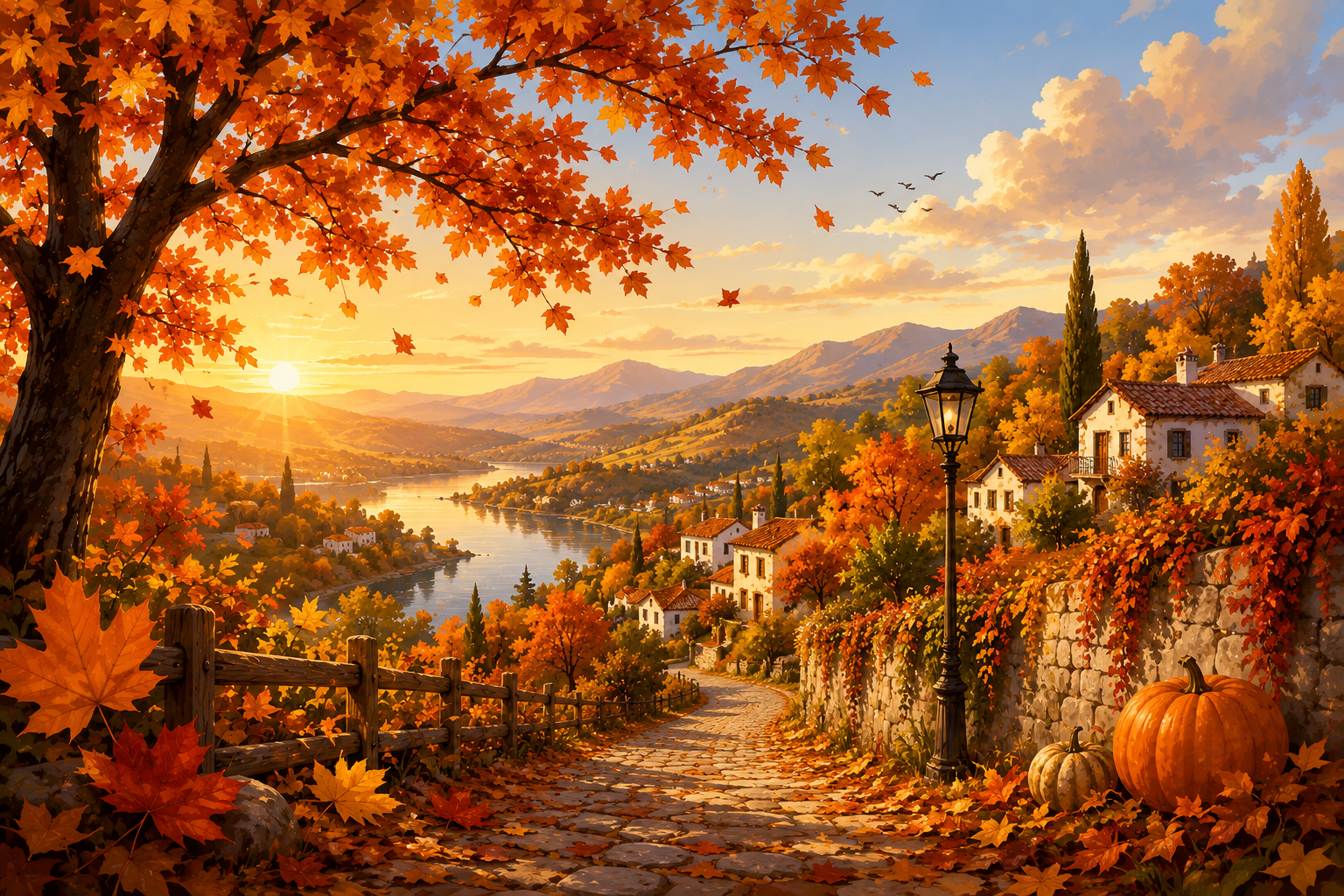
17-23°C. Warm sea, golden afternoon light.
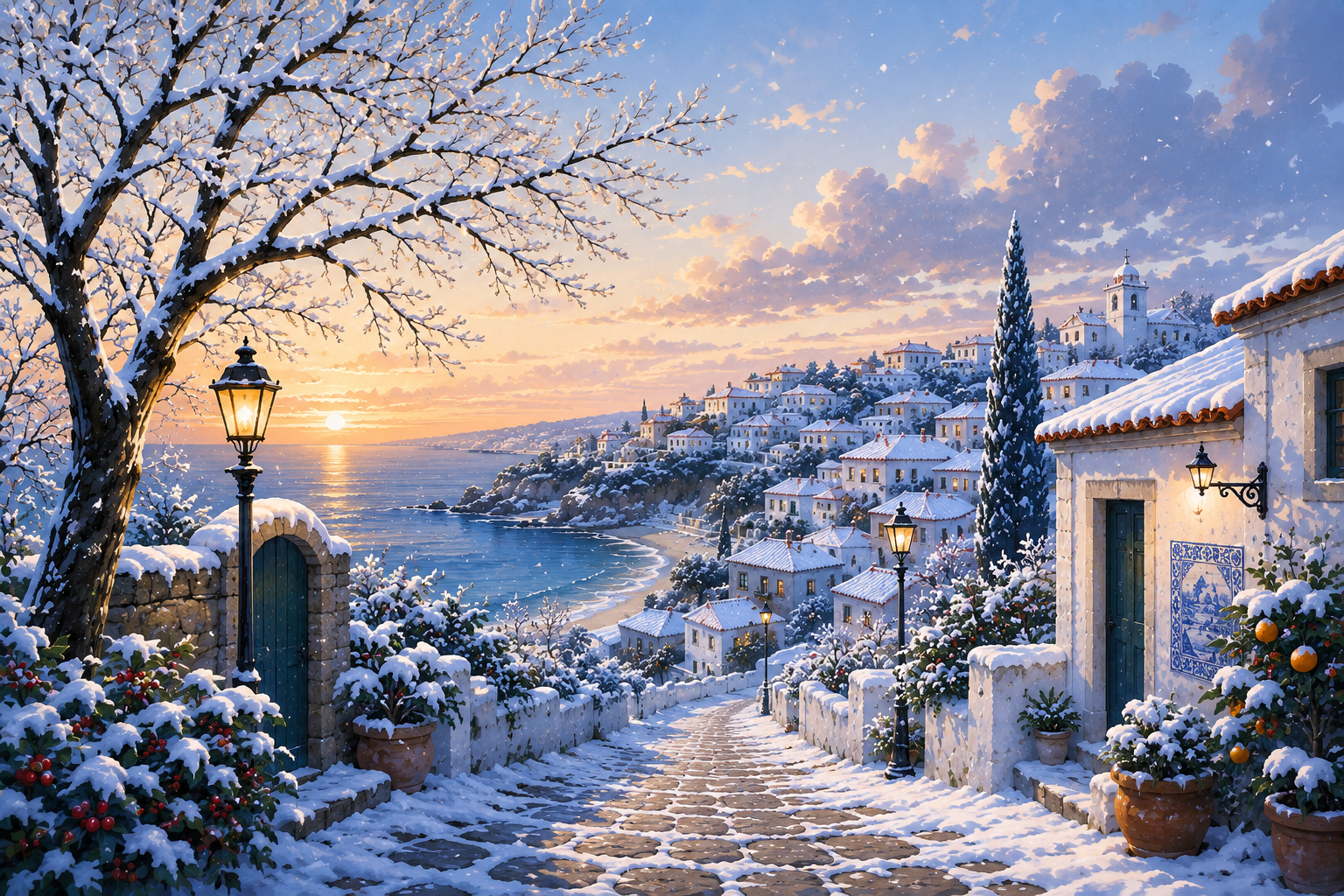
11-15°C. Mild, rarely freezing near the coast.
People speak Portuguese worldwide — it's the 6th most spoken native language on Earth.
The University of Coimbra was founded this year — one of the oldest in continuous operation in the world.
Nazaré has recorded some of the largest waves ever surfed, drawing big-wave surfers from around the globe.
Can't find your answer? Message us and we reply within a few hours.
Contact usPortugal is part of the Schengen Area — most visitors from the EU, UK, US, Canada and Australia can stay up to 90 days visa-free. Check your specific country's requirements before travelling.
Yes — Portugal is consistently ranked among the safest countries in the world, including for solo travellers and families.
Widely, especially among younger people and in tourist areas, hotels and restaurants. A few Portuguese words are always appreciated.
Seafood-heavy and simple — grilled fish, bacalhau (salt cod) in dozens of forms, hearty stews, and pastries everywhere. Olive oil and bread on every table.
Spring (April–June) and early autumn (September–October) are the sweet spot: warm, sunny and less crowded. Summer is hot and busy on the coast, and winter is mild but wetter. Cycling along the Cascais coast is pleasant most of the year.
The euro (€). Cards and contactless payments are accepted almost everywhere, but it's handy to carry a little cash for small cafés, markets and tips.
Tipping is not obligatory. In restaurants, rounding up or leaving around 5–10% for good service is appreciated, and a small tip for guides and drivers is always welcome.
Yes, tap water is safe to drink in mainland Portugal. Refill a bottle before your ride and you'll save money and plastic.
Portugal uses 230V with the standard European two-pin plugs (types C and F). Visitors from the UK, US and elsewhere will need an adapter.
Mainland Portugal follows Western European Time (the same as the UK): UTC+0 in winter and UTC+1 in summer. Madeira follows the same time, while the Azores are one hour behind.
The easiest way is the train from Cais do Sodré station in Lisbon, which runs along the coast to Cascais in about 40 minutes. Our shop is inside Cascais Train Station, so you can step off the train and be with us in a minute.
Call 112 for police, ambulance or fire brigade, from any phone and free of charge. It works across the whole European Union.
Rent a bike in Cascais Train Station or join a guided ride — lock included.