Stand inside Cascais Citadel today and you are occupying several centuries at once: a late-medieval defensive position, a fortress expanded after invasion, a royal summer residence and a contemporary cultural space. This guide follows the most engaging chapters of Cascais Citadel history, explaining why the complex was built, how Portuguese royalty changed it and what curious travellers can still see.
Why Cascais needed a fortress beside the bay
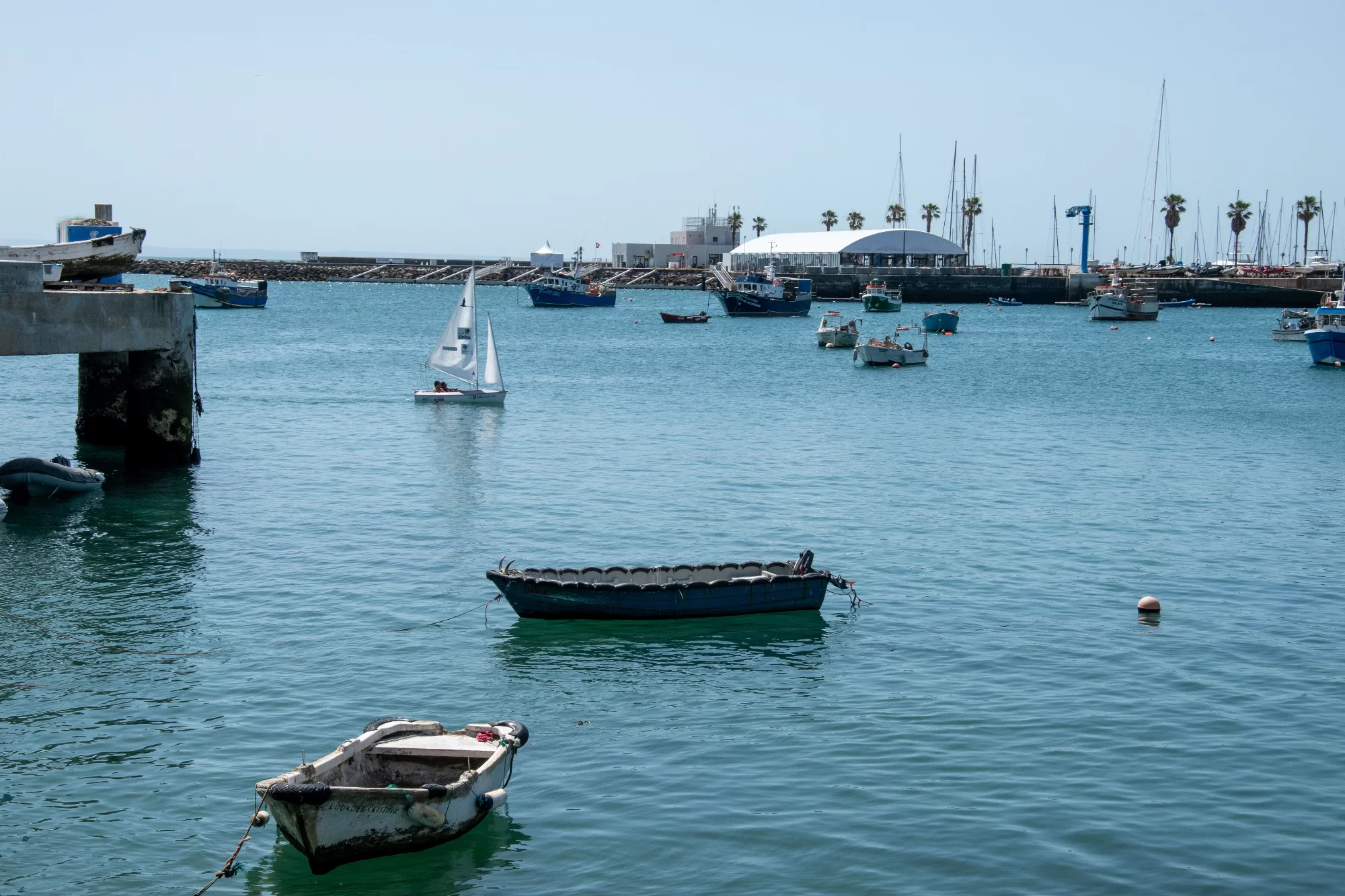
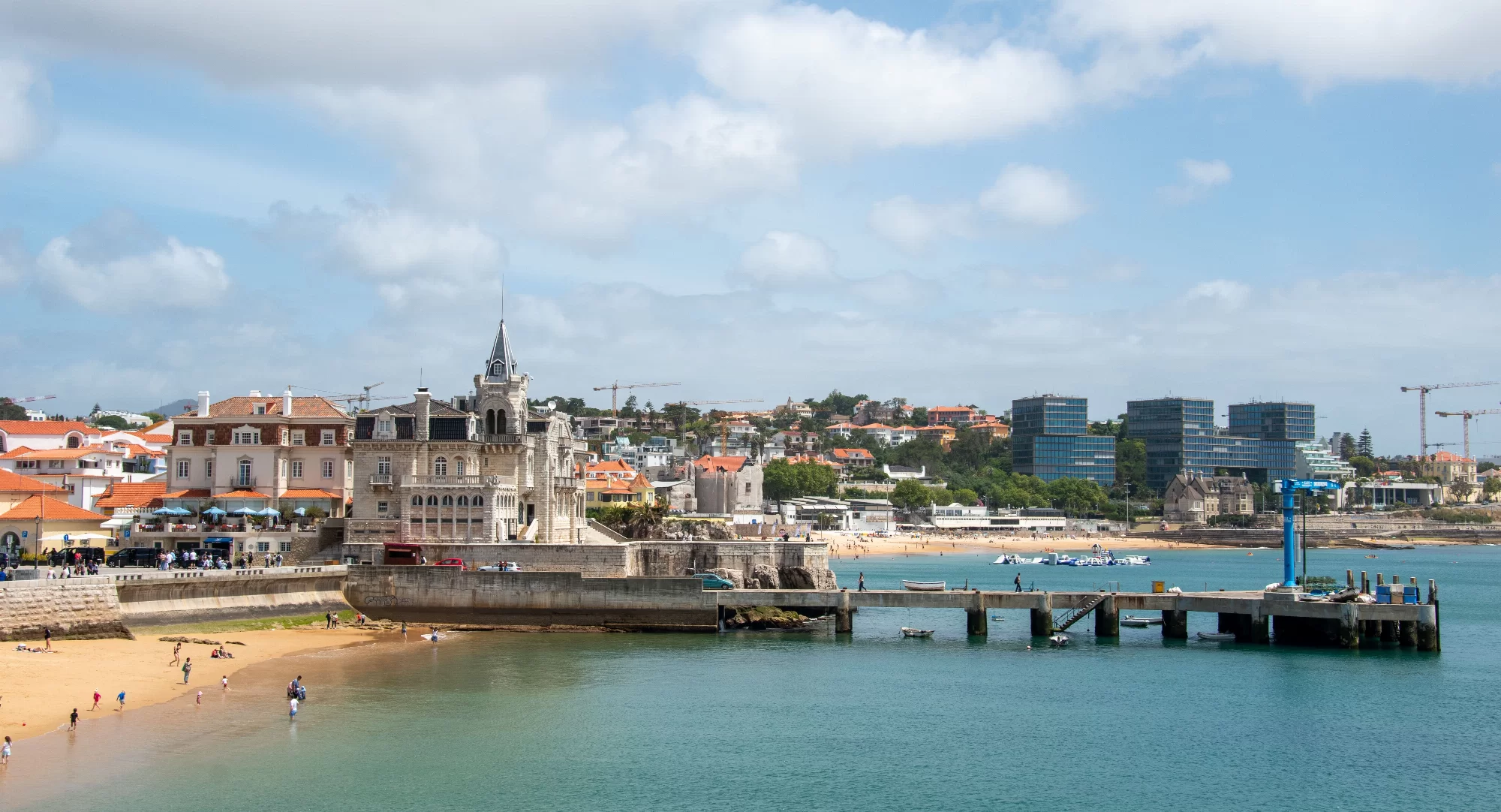
Cascais may now feel relaxed, but its position on the Atlantic made it strategically important. Ships approaching Lisbon from the ocean passed this stretch of coast, while the sheltered bay offered a possible landing point. Protecting Cascais therefore meant helping to defend access to the Portuguese capital as well as safeguarding the local fishing settlement.
King João II ordered a fortified tower here in the late 15th century. Known as the Tower of Santo António, it was designed for an age in which artillery was transforming coastal defence. The tower stood close to the water, allowing its garrison to watch the bay and fire upon hostile vessels. Parts of this early structure were later absorbed into the larger complex, so the Cidadela de Cascais is not one building from a single period. It is a series of defensive ideas laid over one another.
Cascais Citadel tells its story through layers: first a tower facing the sea, then heavier walls, and finally palace rooms looking over the same bay.
How invasion reshaped the Cascais fort
The original tower did not settle the matter. During the Portuguese succession crisis of 1580, Spanish forces landed at Cascais and overcame its defences. The attack exposed how vulnerable the coast remained, particularly against a well-organised force supported by ships and artillery.
Under King Filipe I of Portugal, also Philip II of Spain, a more substantial fortress was constructed around the earlier tower. This became the Fortress of Nossa Senhora da Luz. After Portugal restored its independence in 1640, King João IV ordered another major programme of coastal fortification. The Cascais position was expanded into the broad citadel complex recognisable today, with walls, bastions and military accommodation designed to work as part of a wider defence of the Lisbon approaches.
Most of what's covered here is easiest to reach by bike. We're right at the train station whenever you're ready to grab one.
Rent a Bike →The Cascais fort history visible in the masonry is therefore less tidy than a textbook timeline. Doorways were altered, military buildings changed purpose and repairs followed periods of damage, including the effects of the 1755 earthquake. Rather than searching for one untouched medieval castle, look for evidence of adaptation. The thick, low walls belong to the practical world of cannon fire, not to the romantic silhouette of a hilltop palace.
When the royal court came to Cascais
The citadel’s most glamorous chapter began in the 19th century. In 1870, King Luís I chose the former governor’s residence within the complex as a summer home. The royal family’s presence helped turn Cascais from a fishing town with military importance into a fashionable seaside resort connected to court life.
This was not a ceremonial palace isolated from daily life. The royal family came for the coast, the sea air and a less formal seasonal routine. Court officials, aristocratic families and visitors followed, encouraging new homes, social gatherings and leisure facilities around Cascais. The railway connection with Lisbon later made the town still easier to reach. King Carlos I, who had a serious interest in the sea and oceanographic research, continued the family’s close association with Cascais.
The contrast is what makes this part of the story memorable. Rooms intended for royal comfort sat within walls created to withstand attack. Cannons and barracks did not disappear, but the citadel now also framed family life, receptions and summer holidays. Following the establishment of the Portuguese Republic in 1910, the palace ceased to be a royal residence. It later became associated with the Presidency of the Republic, preserving its role as a place connected to the Portuguese state.
If this has you itching to get moving, our bikes are ready to go right at Cascais Train Station — no need to book far ahead outside peak summer.
Browse Bike Rental →What to look for inside Cidadela Cascais
Some visitors hurry past the walls on their way between the centre of Cascais and the marina. That misses the pleasure of the site. Enter slowly and notice how the atmosphere changes from the busy waterfront to enclosed courtyards, heavy stone passages and open views towards the sea. The complex now combines historic structures with accommodation, galleries and contemporary art through the Cidadela Art District.
The Palace of the Citadel contains the clearest connection with royal and presidential life, although access to its interiors depends on current opening arrangements. Even without an interior visit, the layout helps explain the site’s evolution. Look for:
- The defensive walls and bastions, built with mass and angled lines suited to artillery rather than decorative display.
- The Fortress of Nossa Senhora da Luz, which incorporates the earlier Tower of Santo António and preserves the military core of the complex.
- The palace wing, where a governor’s residence became a seasonal royal home and later a presidential property.
- The courtyards and former military buildings, now adapted for uses their original occupants could never have anticipated.
- The relationship with the bay, still the best clue to why this precise location mattered so much.
How to include the citadel in a Cascais bike ride
Cycling is the easiest way to connect the citadel with the rest of Cascais without turning the visit into a rushed history stop. From Cascais Train Station, the ride is short, though central streets can be busy with pedestrians and vehicles. Approach at a gentle pace, lock the bike outside the areas intended for walking and explore the courtyards on foot. Cobbles and crowded passages are good reasons to dismount rather than trying to ride through.
Afterwards, continue towards Cascais Marina and the Farol de Santa Marta, both close to the citadel and still within Cascais. A longer coastal ride can carry on towards Boca do Inferno. This sequence makes geographical sense: the citadel explains how the coast was defended, the lighthouse reflects the continuing importance of navigation, and the exposed shoreline reveals the Atlantic conditions that shaped both.
We keep a full range of sizes — plus a few e-bikes for windier days — at the station, if you'd rather ride than walk between these spots.
See Our Bikes →If strong wind, rain or limited mobility makes cycling uncomfortable, the citadel is also easy to combine with a walk through central Cascais. A guided visit can add detail for travellers especially interested in military architecture or the monarchy, but most people do not need a dense history lecture. Give the site an unhurried hour, pay attention to the walls and sea views, and its transformation becomes surprisingly easy to read.
The Cidadela de Cascais is compelling because it never belonged to just one era. It guarded a vulnerable bay, survived political upheaval, housed kings and later found new public uses. Seen from the courtyard rather than merely passed at the gate, it offers one of the clearest explanations of how Cascais became the town travellers know today.