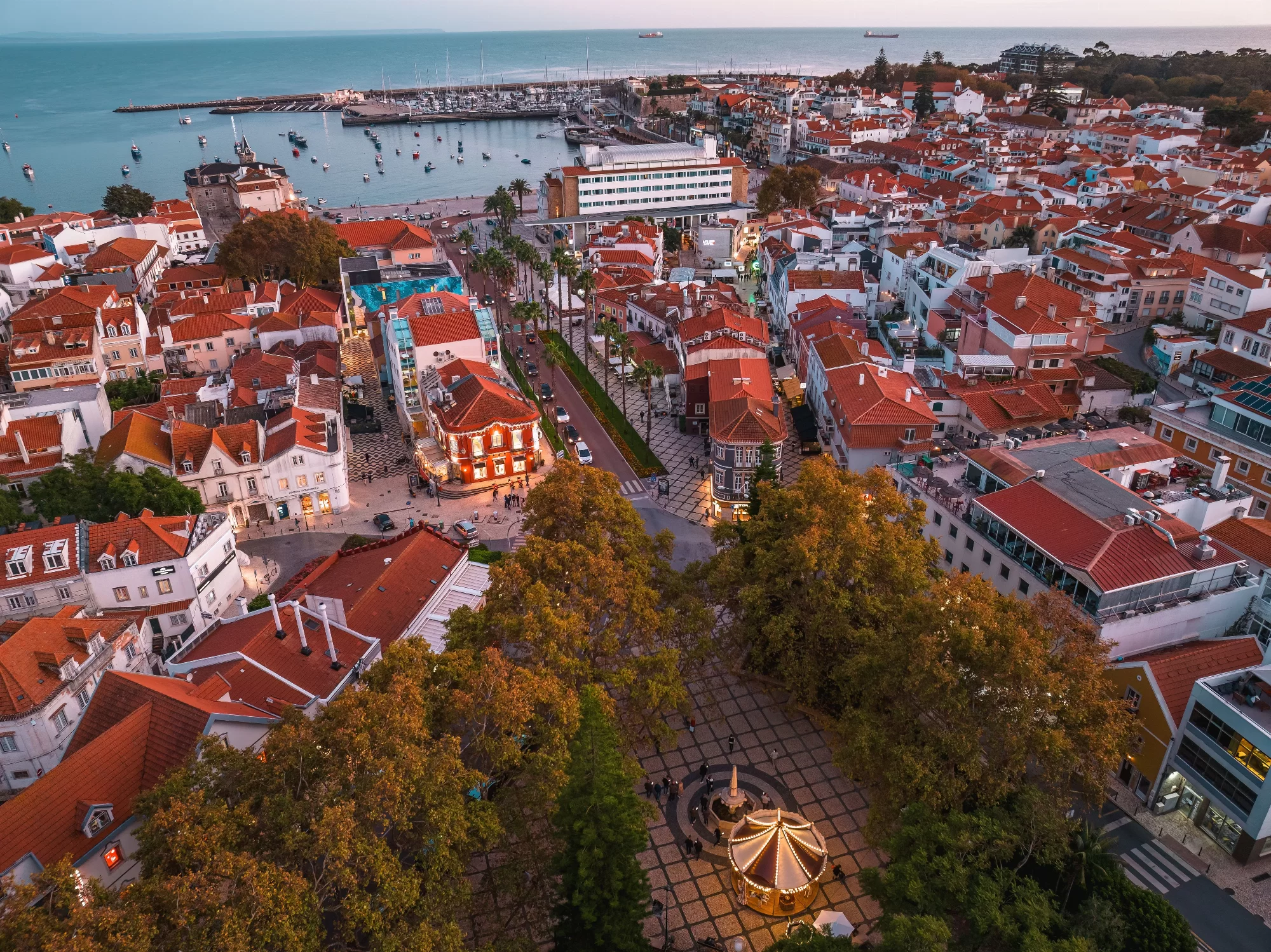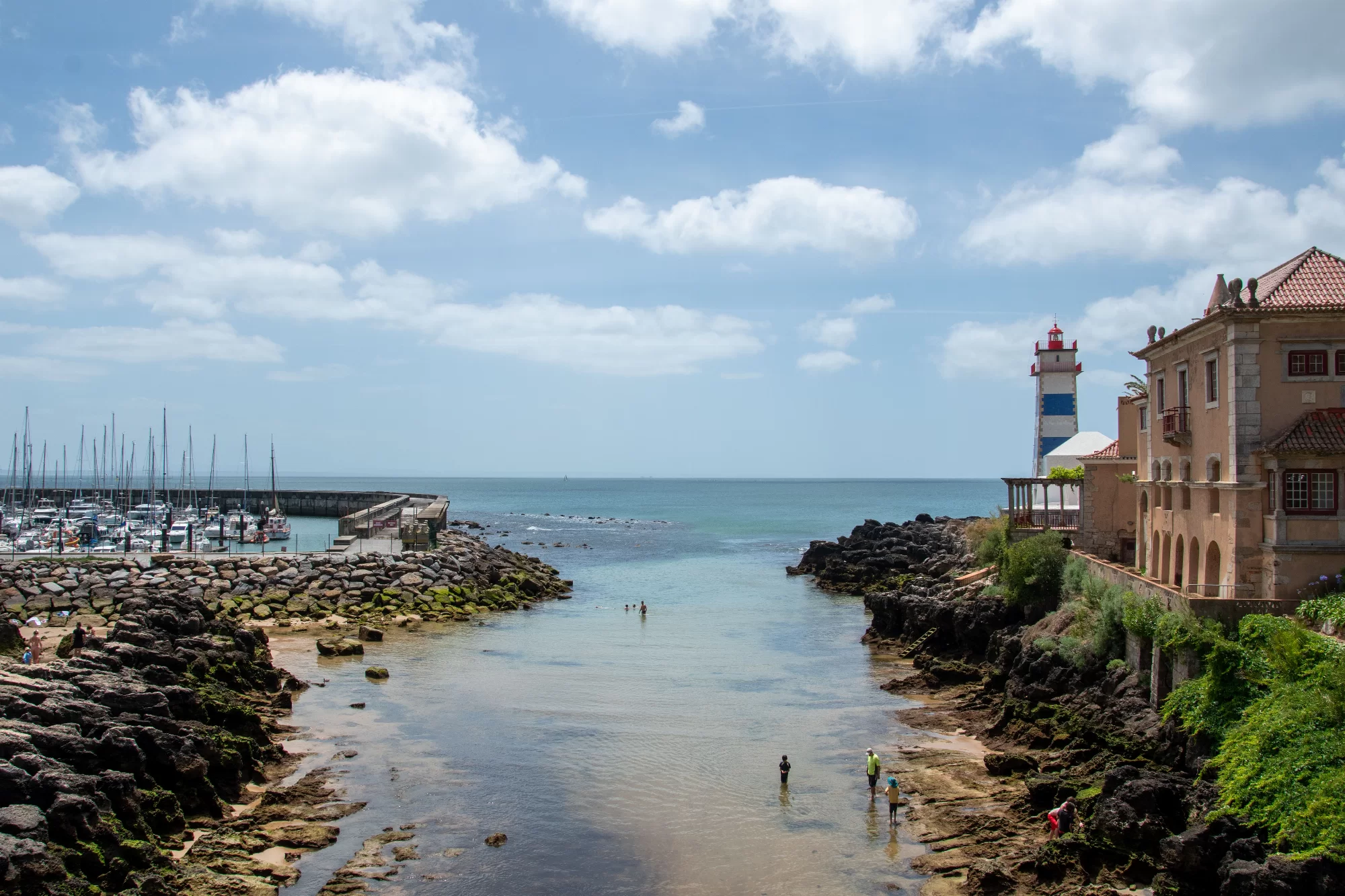
Lisbon can swallow a day surprisingly fast: one slow tram, a long lunch and a queue in Belém may be enough to derail an ambitious plan. This Lisbon day trip itinerary keeps things realistic, linking Alfama, a nearby miradouro and Belém in a logical order for travellers staying in Cascais. You will see the city’s oldest streets, enjoy one of its defining views and finish beside the Tagus without changing hotels or racing between a dozen landmarks.
Start early and arrive on Lisbon’s eastern side
A good day begins by leaving Cascais after breakfast but before the late-morning crowds build. The coastal train is generally the most straightforward public transport choice, though a prearranged transfer is more comfortable if you are travelling with children, have limited mobility or want to start directly in Alfama. Whichever option you choose, aim to begin exploring Lisbon in the morning rather than sacrificing the cooler, quieter hours to a slow start.
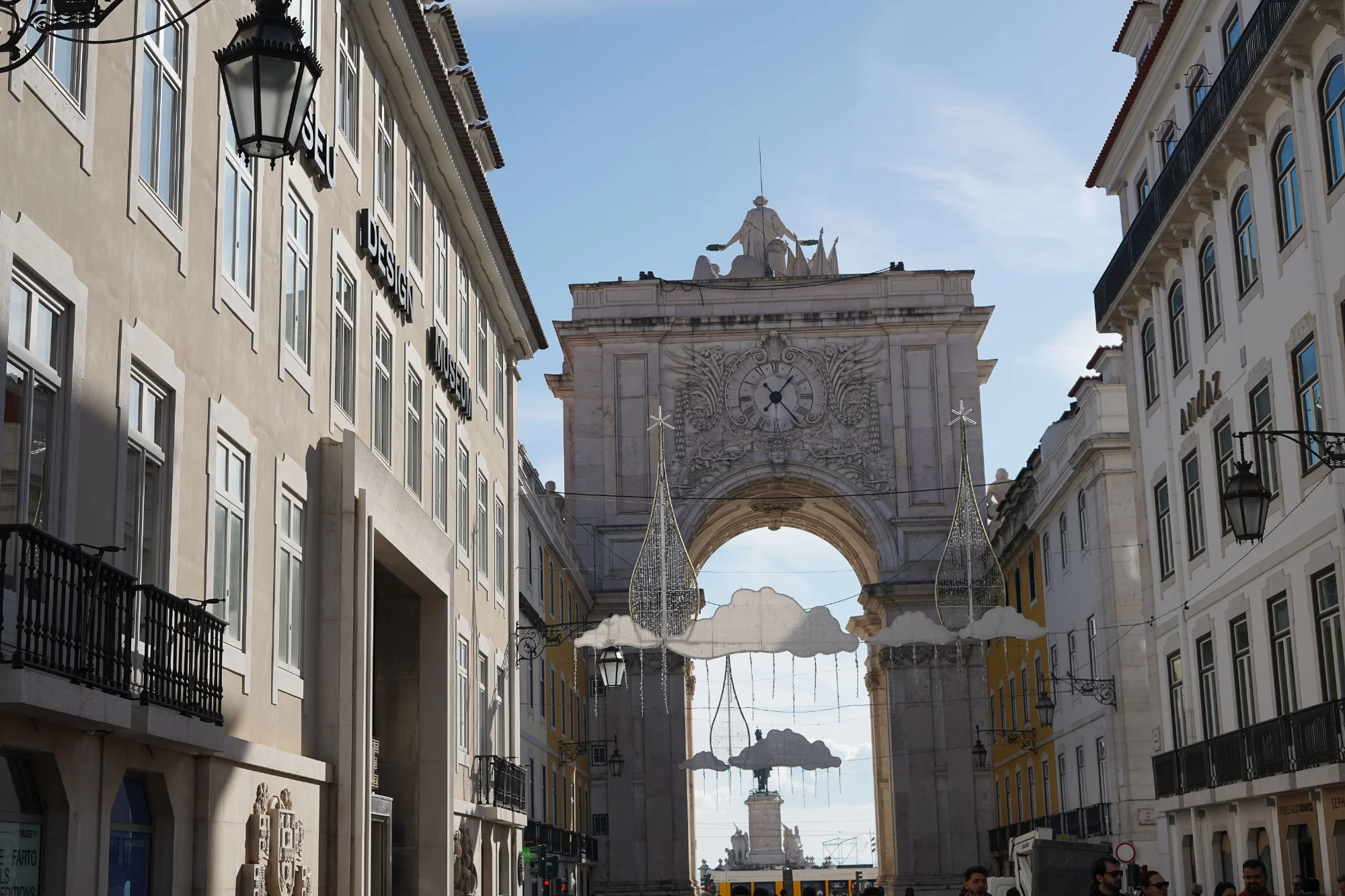
Do not begin in Belém simply because it lies on the Cascais side of Lisbon. That looks efficient on a map, but it often means reaching Alfama during its busiest and warmest part of the day. A better Lisbon day trip plan runs east to west: start around Alfama, move through the historic centre, then finish in Belém. From there, the return towards Cascais is simpler and you avoid retracing the entire city.
Cycling is usually our first recommendation for exploring the Cascais coast, where a rental bike gives you freedom to stop at beaches and viewpoints. This particular day is different. Riding all the way into Lisbon turns a sightseeing day into a substantial urban journey, while Alfama’s steep cobbles and tram tracks are poor terrain for a relaxed visitor ride. Save the bike for a separate Cascais or Guincho day and use walking plus short public transport connections in Lisbon.
Give Alfama the best part of your morning
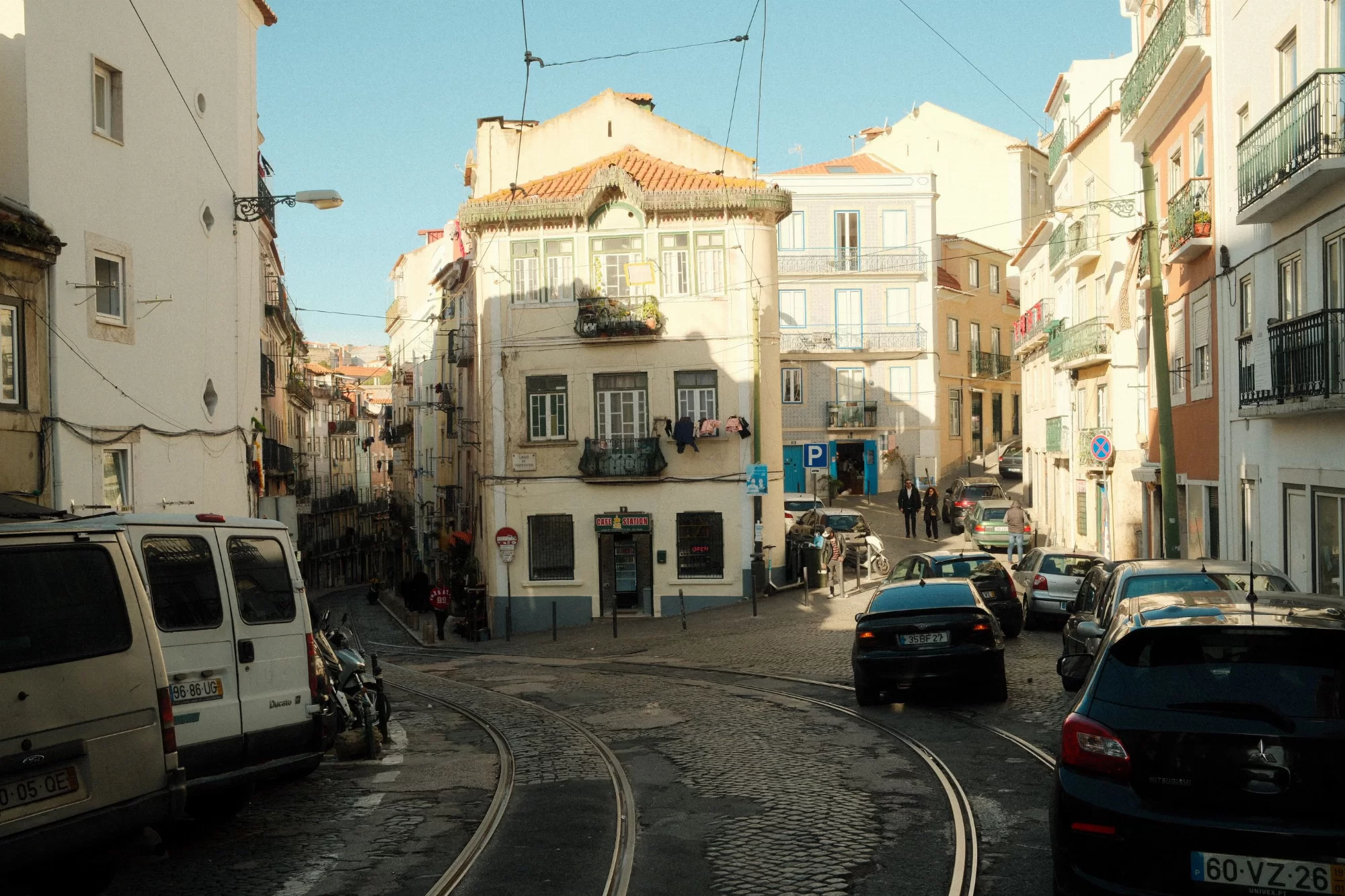
Alfama rewards wandering, but completely unstructured wandering can leave you climbing the same hill twice. Begin near the lower edge of the district and work gradually uphill through lanes, small squares and staircases. The appeal is not one compulsory monument. It is the contrast between tiled façades, laundry strung above narrow alleys and sudden glimpses of the river.
If you're still weighing up how to actually get there, a pre-booked private transfer takes that decision off your plate entirely.
See Transfer Options →If Lisbon Cathedral interests you, see it near the beginning of the walk. Then continue towards the upper streets rather than waiting for the famous tram to carry you there. Tram 28 is atmospheric when you happen to find space, but building your entire morning around its queue is a mistake. Walking reveals more of Alfama and allows you to pause without worrying about missing a stop.
In Alfama, the memorable route is rarely the shortest one—but it should still keep moving uphill.
Allow enough time to absorb the neighbourhood, yet resist adding every church and museum. With only one day in Lisbon from Cascais, one interior visit is plenty in the morning. The streets themselves are the main experience, and lingering over several ticketed attractions will squeeze Belém into an unsatisfying late dash.
Choose one miradouro instead of collecting viewpoints
Lisbon has enough viewpoints to fill an afternoon, but this itinerary only needs one good miradouro. Miradouro de Santa Luzia is the natural choice because it fits directly into an Alfama walk and looks across terracotta roofs towards the Tagus. The nearby Portas do Sol terrace offers a broader angle, so you can see both without creating a separate journey across town.
Spend a little time here rather than treating the view as a photograph to collect. Morning light is often kinder than harsh mid-afternoon sun, and the district is easier to understand from above: the dense roofs, church towers and river suddenly fall into place. If the terraces are crowded, step away from the central railing. People tend to cluster around the first obvious opening even when a quieter view sits a few metres farther along.
Door-to-door transport removes most of the friction described above — worth considering if you're travelling with luggage or on a tight schedule.
Book a Transfer →After the miradouro, descend towards Baixa or the riverfront for lunch. This is the right point to leave Alfama; continuing north towards additional viewpoints creates unnecessary hills and complicates the journey to Belém. Choose a straightforward Portuguese lunch rather than a long tasting menu. Grilled fish, a daily special or petiscos will leave you enough time and energy for the afternoon.
Cross to Belém for a focused afternoon
From central Lisbon, use a tram, bus, train or taxi to reach Belém rather than walking the full distance. The riverfront may appear close, but the journey is longer than many first-time visitors expect. Public transport can become crowded, especially around peak sightseeing hours, while a taxi or private vehicle saves time for a family or small group.
Once in Belém, keep the afternoon focused. These stops form a sensible sequence, although access routes and temporary works can change:
- Jerónimos Monastery: admire the elaborate exterior even if the queue makes an interior visit impractical. If entering is a priority, check official ticket and access information before the day.
- Pastéis de Belém: stop for the neighbourhood’s famous custard tarts, but do not assume takeaway and table service will involve the same wait.
- Monument to the Discoveries: continue towards the river for open views and a clear sense of Lisbon’s relationship with maritime history.
- Belém Tower: finish here if time and energy allow. The riverside setting matters more to this itinerary than joining another long queue for the interior.
Belém contains several major museums, but adding one only works if you deliberately shorten Alfama or skip an interior elsewhere. Trying to fit two museums, the monastery, the tower and the historic centre into the same day produces more clock-watching than enjoyment.
A lot of what makes this tricky disappears once you're not the one driving or navigating — that's basically what a private transfer is for.
Arrange a Transfer →Plan the return before tiredness makes the decision
By late afternoon, decide whether you want dinner in Lisbon or a quieter evening back in Cascais. Staying for dinner gives the city a different rhythm after day visitors begin to leave, but it also means navigating the return when everyone is tired. If you have already walked Alfama’s hills and crossed Belém on foot, returning to Cascais before dinner is often the better call.
Carry comfortable shoes, water and a light layer because the riverfront can feel breezier than Alfama’s enclosed lanes. Keep some flexibility as well. A transport delay or unexpected monastery queue should lead to dropping one stop, not rushing through everything else. The essentials are Alfama, one miradouro and a coherent stretch of Belém.
For the smoothest finish, arrange your return method in advance rather than improvising beside a crowded stop. The train remains practical for many visitors, while a private transfer is the stronger option for door-to-door comfort, a fixed meeting point and an easier journey with children, luggage or reduced mobility. That small piece of planning lets the day end beside the Tagus instead of with a stressful search for the way back to Cascais.